We strengthen youth and women’s skills, networks, and confidence to take up leadership roles and contribute to inclusive and accountable governance in Uganda.
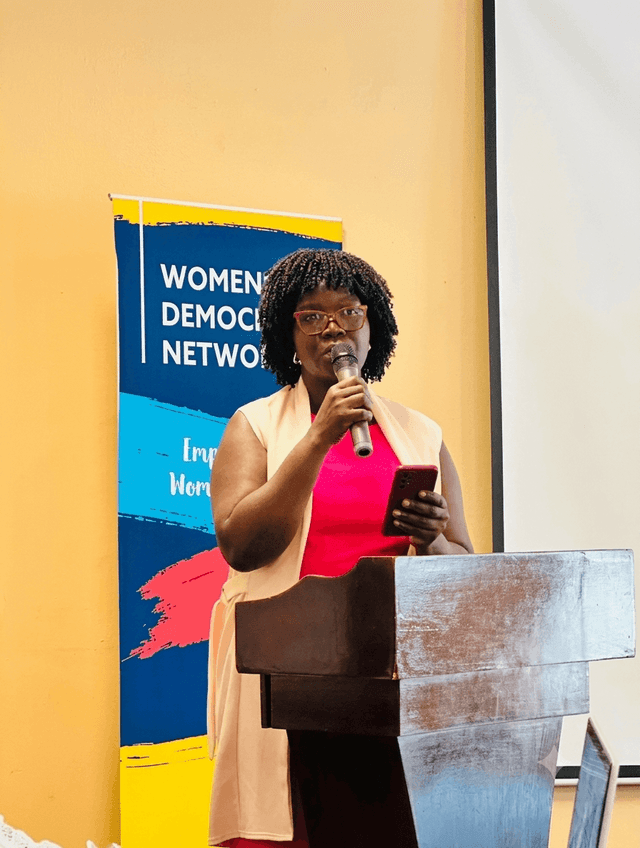 Immaculate Yossa, Chair Person WDN Uganda Chapter. Immaculate.jpeg
Our mission is to provide a platform for leaders to enhance women’s leadership for women’s rights and gender equality.Immaculate Yossa, Chair Person WDN Uganda Chapter.
Women’s Democracy Network–Uganda Chapter (WDN-U), established in 2011 and affiliated with the global Women’s Democracy Network and Women’s Democracy Network Africa, is a local civil society organization in Uganda working to advance a fair society where equal opportunity for women and girls with men and boys is the norm. Guided by its mission to provide a platform that strengthens women’s leadership for women’s rights and equal opportunity for all, WDN-U promotes leadership development through capacity building, research, and civic engagement in line with Uganda’s legal and governance frameworks. WDN-U equips women and youth with the skills, networks, and confidence to participate in leadership and governance processes. Through training, support to inter-party women and youth platforms, and community engagement, the organization strengthens inclusive participation, accountability, and responsive service delivery while empowering citizens and leaders to engage constructively on governance and development issues.
Discover the latest stories, reports, and updates about our work.
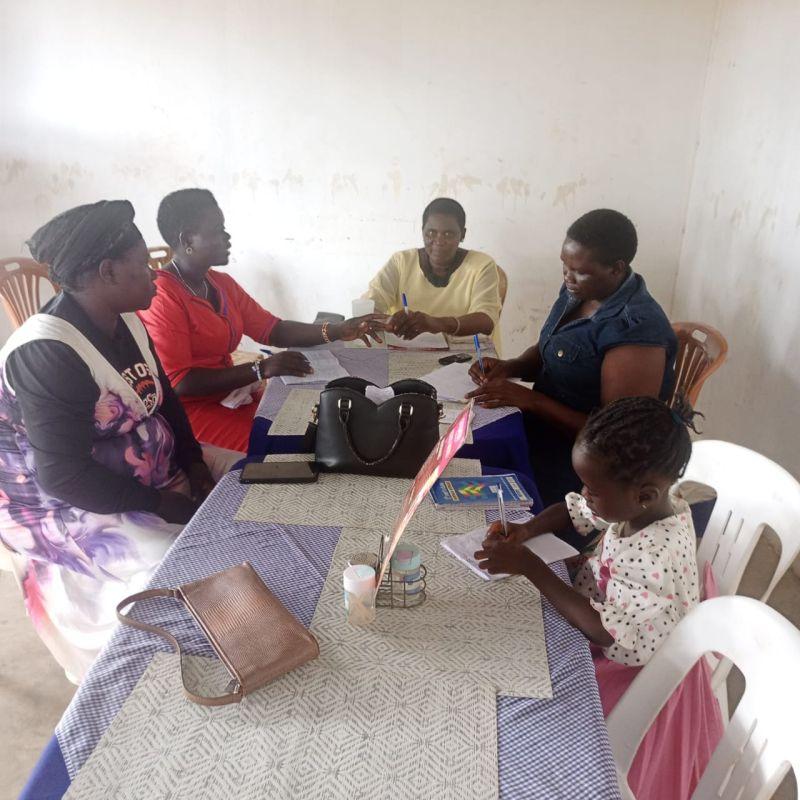
On April 16, 2026, a powerful milestone for collaborative politics unfolded in Eastern Uganda. The newly elected executive members of the Interparty Women's Platform (IWOP) Teso sub-region convened to map out the implementation of their first strategic action plan.
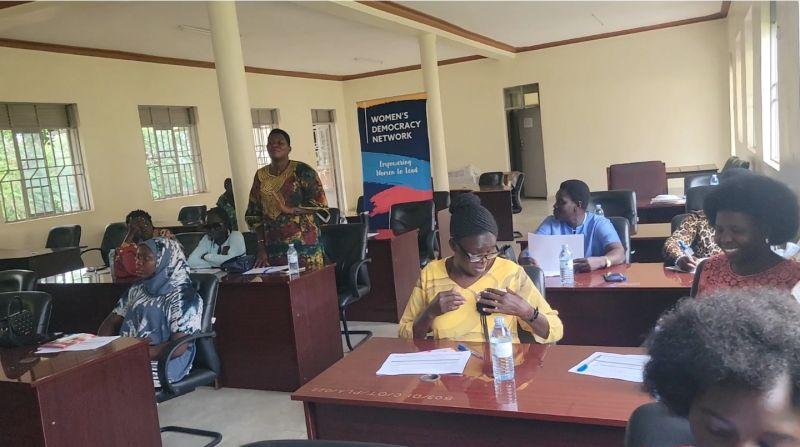
In May 2025, WDN-U alongside WDN Global rolled out targeted capacity-building programs for 20 aspiring and incumbent female candidates in Arua City and Koboko District.
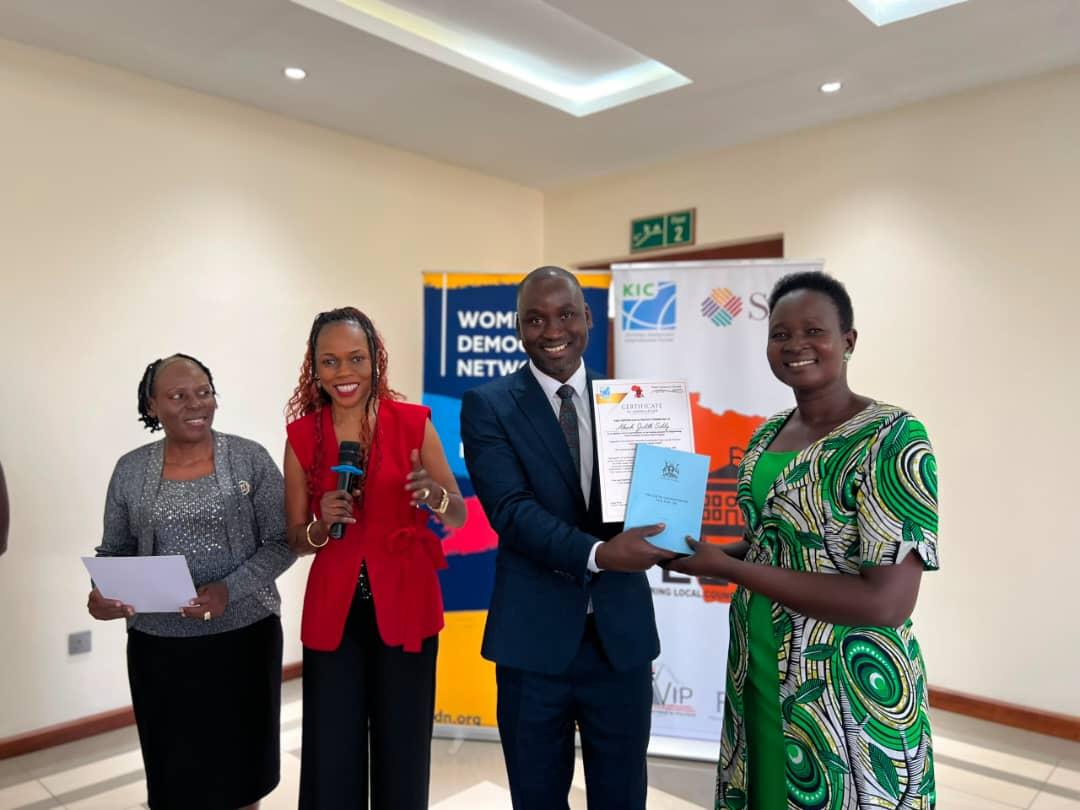
Despite a challenging 2026 election, 64% of WDN-U and KIC trained councilors won their races. Read how performance-based leadership and local capability triumphed.
Research reports, policy briefs on women and youth participation in Uganda’s governance.

Handbook
Political ViolenceCase Study
GenderReport
Participation