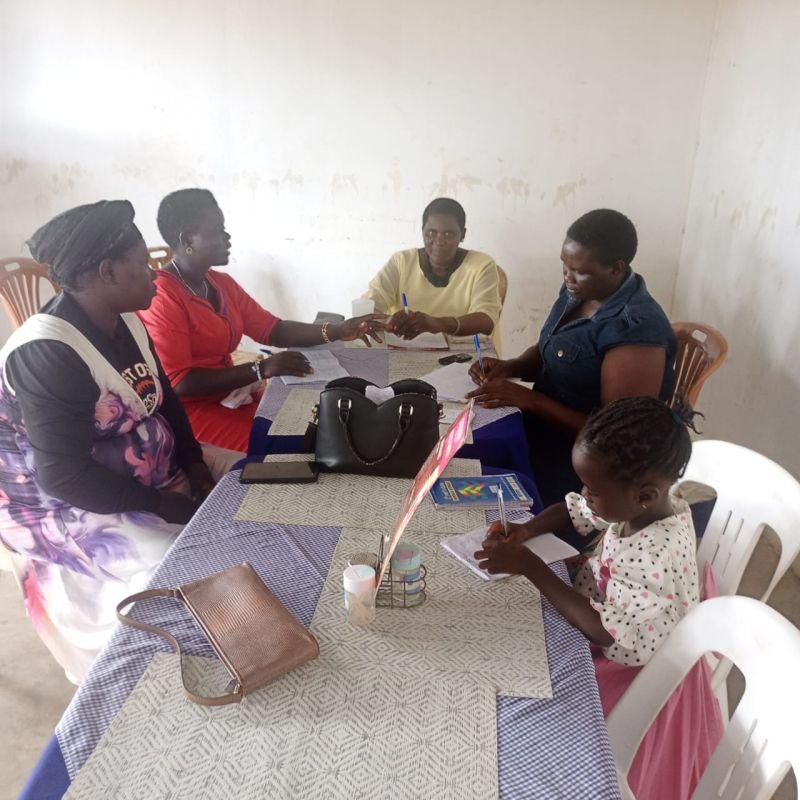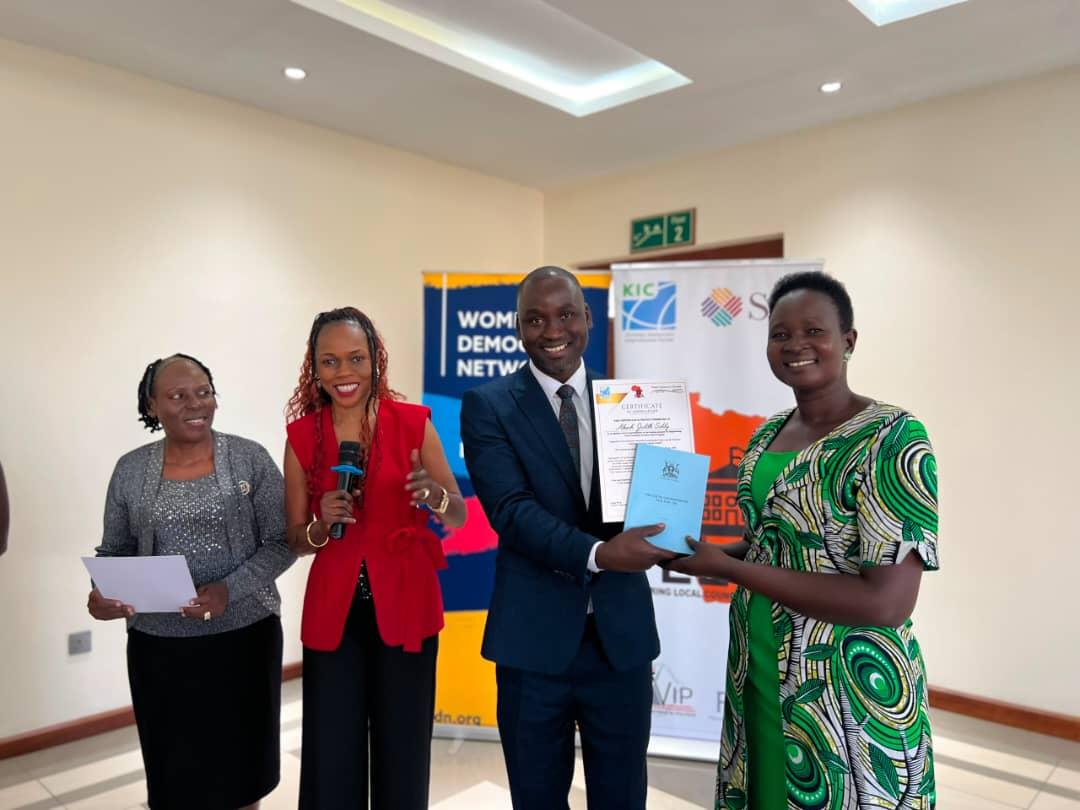
In May 2025, WDN-U alongside WDN Global rolled out targeted capacity-building programs for 20 aspiring and incumbent female candidates in Arua City and Koboko District. Drawn from a diverse political spectrum—including ANT, FDC, NRM, and NUP—these women set out to challenge the status quo.
The results of the recent elections prove that localized, structured training directly translates to ballot-box victories.
The Election Breakthroughs: Koboko and Arua
By focusing on campaign strategy, community organizing, and legislative policy, the program achieved exceptional success rates:
Koboko District: An outstanding 80% of the trained female candidates were successfully elected or re-elected to council positions.
Arua City: 50% of the program’s candidates secured their seats.
In tandem, WDN-U’s local Community-Based Organization (CBO) partner, Youth Development Initiative-West Nile (YDI-WN), stepped up to train 11 additional candidates in Arua City. This group included seven passionate female youth and six incumbents.
Applying the exact training frameworks and skills transferred to them by WDN-U earlier in the year, YDI-WN successfully guided 30% of their candidates to election victory.
Why WDN-U’s CBO Partnership Model Works
The success in West Nile highlights the power of WDN-U’s strategic approach to organizational growth and sustainability:
Localizing Expertise: Instead of relying solely on centralized training, WDN-U prioritizes heavy investment in district and city partners like YDI-WN.
Creating Local Mentors: By championing partners for consultancy roles, peer exchange visits, and high-level training, WDN-U ensures that expert knowledge remains resident in the communities.
Building Long-Term Sustainability: Long after a specific project cycle closes, local organizations remain fully equipped to mentor and train the next generation of female and youth leaders independently.
True political empowerment is not imported—it is cultivated locally, shared regionally, and sustained at the grassroots.